Bear Killings Increase in Greensboro-High Point-Winston-Salem Region Amidst Drought and Food Scarcity
Bear killings are on the rise in the Greensboro-High Point-Winston-Salem region, attributed to food shortages and drought, which are drawing bears to human-accessible food sources like garbage and bird feeders, leading to increased conflict.

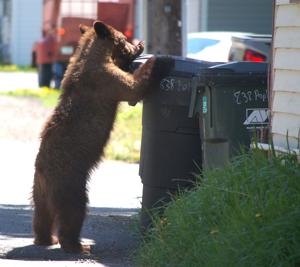
 Greensboro High Point Winston Salem, NC, November 8, 2026 — The Greensboro-High Point-Winston-Salem region is experiencing a notable increase in bear killings, according to reports on the growing trend. This rise in conflict between humans and black bears is primarily attributed to environmental factors, specifically widespread food shortages and drought conditions affecting the area.
The scarcity of natural food sources in the wild is compelling bears to seek sustenance in areas closer to human habitation. This includes readily accessible food sources such as residential garbage cans and bird feeders. As bears become more accustomed to finding food in these human-populated environments, the frequency of encounters and subsequent conflicts escalates.
Wildlife experts have noted that drought conditions can significantly impact the availability of berries, nuts, and other natural food staples that bears rely on. This forces the animals to venture further from their natural habitats in search of sustenance. The proximity of human homes, often containing attractants like unsecured trash or feeders, presents an easy alternative for hungry bears.
Increased human-bear conflict can lead to a variety of negative outcomes, including damage to property and, in some cases, the necessity for wildlife management officials or property owners to resort to lethal measures to address safety concerns or persistent nuisance behavior. The exact number of increased bear killings was not provided in the summary, nor were specific details on the outcomes of individual conflicts beyond the overall trend.
The situation highlights a broader challenge for wildlife management in urbanizing and environmentally stressed areas, where natural habitats are encroached upon and climate conditions create additional pressures on animal populations. The trend underscores the importance of community awareness regarding bear behavior and the proactive measures residents can take to mitigate attractants, such as securing garbage properly and removing bird feeders, to reduce the likelihood of dangerous encounters.
Story summarized from the original created by Alex BrownStateline.org on greensboro.com, see more information here.
Media gallery