Bee Stingers Continue Pumping Venom After Bee’s Death, Report Says
An article from hpenews.com discusses the biological phenomenon of a bee's stinger continuing to pump venom even after the bee is no longer alive.
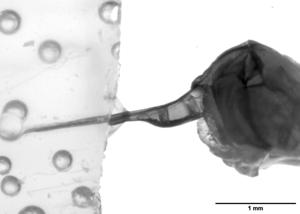
 Greensboro High Point Winston Salem, NC, October 13, 2026 — A biological phenomenon where a bee’s stinger can continue to inject venom even after the insect is deceased has been discussed in a recent report. According to an article published on hpenews.com, the stinger apparatus remains active, continuing its function of pumping venom into a victim.
This biological process highlights a complex mechanism within the bee’s anatomy that persists post-mortem. The article from hpenews.com details how the stinger, once embedded, can continue to pump venom for a period. The specific duration or the exact biological triggers that allow this continued action were not detailed in the summary provided.
Bees, particularly honeybees, are known for their barbed stingers. When a honeybee stings a mammal with elastic skin, the barbs can cause the stinger, venom sac, and parts of the bee’s abdomen to detach. This detachment is a defensive mechanism that can lead to the bee’s death, but it also allows the stinger mechanism to operate independently for a time.
The hpenews.com article focuses on the venom delivery aspect of this phenomenon. While the summary does not provide further details on the biological mechanics or the implications beyond the continued pumping of venom, it points to a fascinating aspect of insect biology. The exact species of bee or the specific context of the phenomenon discussed in the original article are not specified in the summary.
Story summarized from the original created by By Talker News on www.hpenews.com, see more information here.
Media gallery