The Grease Co Highlights Growing Grease Management Concerns as Aging SoCal Sewer Infrastructure Faces More Failures
Aging SoCal sewer systems face added pressure from restaurant FOG, highlighting proper grease control, used oil
Press Release Disclaimer: This is a press release distributed through the XPR Media network. It has not been independently verified by our newsroom.
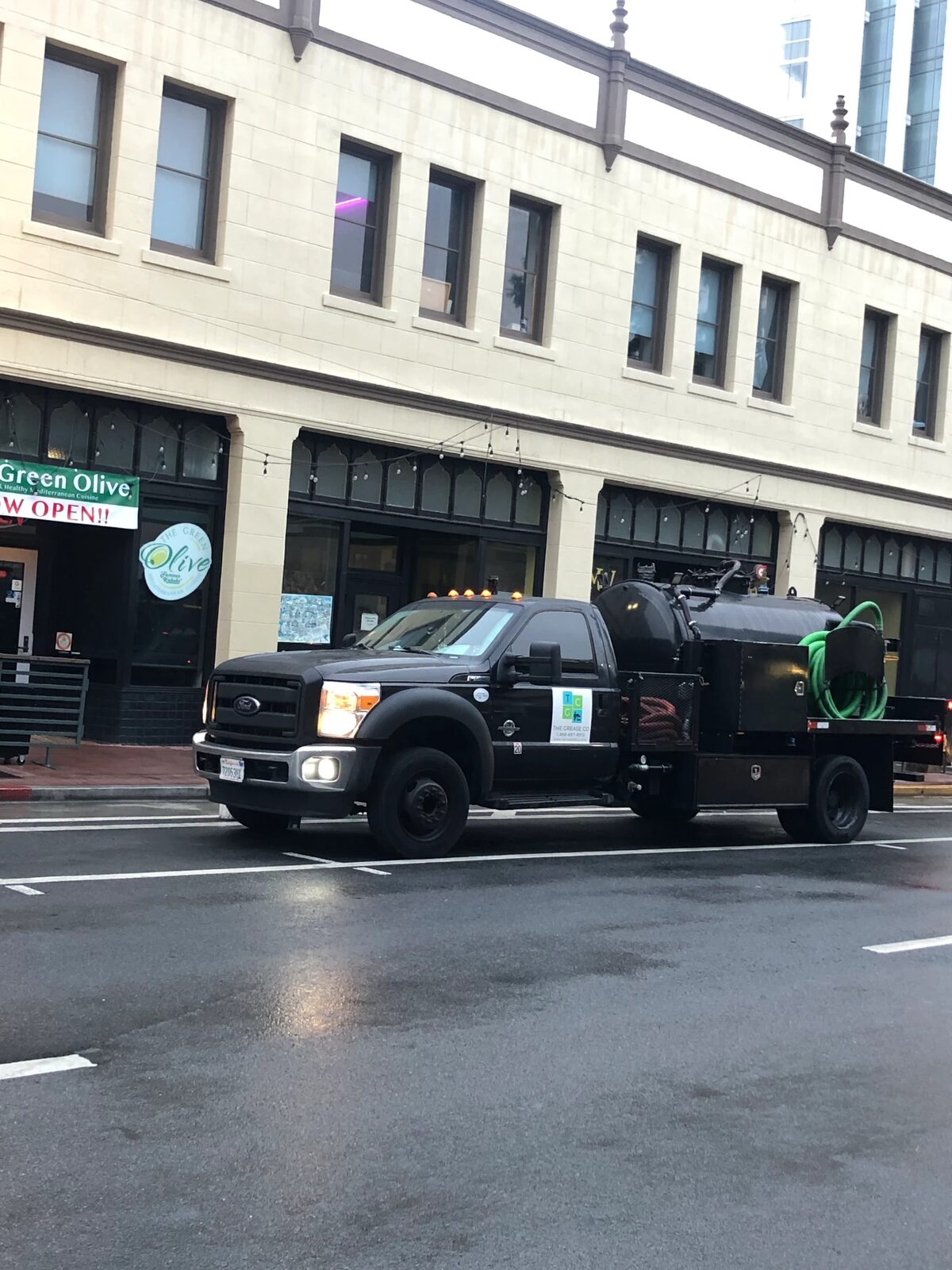

Aging SoCal sewer systems face added pressure from restaurant FOG, highlighting proper grease control, used oil collection and licensed recycling and recovery.
LOS ANGELES, SAN DIEGO, AND ORANGE, CA, UNITED STATES, October 7, 2026 /EINPresswire.com/ — Beneath the communities of Southern California, thousands of miles of underground sewer infrastructure continuously carry wastewater away from homes, restaurants, businesses and other facilities. Much of this network operates out of sight, but it requires ongoing attention as conditions change over time. Sewer systems do not remain in their original condition indefinitely; pipes and joints deteriorate, roots can intrude, sediment can accumulate and infrastructure designed for older demand can face changing capacity requirements. Municipal wastewater agencies in different counties of SoCal therefore rely on inspection programs, maintenance crews, and, when necessary, repair or replacement of deteriorated sections across communities in Los Angeles, Orange, San Diego, San Bernardino, Ventura and Riverside. But pressure on sewer infrastructure does not come only from the age or condition of the pipes themselves. What enters the wastewater system can also influence how it performs, particularly in commercial kitchens that generate an abundant amount of fats, oils and grease (FOG) through frying, cooking, food preparation, dishwashing and equipment cleaning. When grease is not properly separated and managed, some of this material can enter wastewater, adding extra burden to Southern California’s extensive sewer network.
That additional burden becomes clearer when the grease is allowed to move beyond the kitchen and into the drainage system. As wastewater leaves a commercial kitchen and travels through underground pipes, it encounters a cooler environment where fats, oils and grease can adhere to interior pipe surfaces rather than remaining evenly dispersed in the wastewater. A single discharge may not create an immediate obstruction, but repeated releases can allow layers of grease and other materials to accumulate over time. As that buildup occupies space inside a pipe, available flow capacity can gradually become restricted, contributing to slower drainage, blockages or wastewater backups. This makes FOG an accumulation issue as much as a single-event problem. Daily restaurant operations can generate several distinct waste streams, including used fryer oil, grease-laden wastewater, food particles, wash water and cleaning residues. When these materials are not properly separated and managed, wastewater infrastructure can become the pathway for concentrated grease and solids that place additional demands on the system. In communities such as Long Beach, Anaheim, Riverside and San Diego, where commercial food businesses contribute to busy local economies, routine kitchen activity can therefore have implications far beyond the walls of the food service establishment itself.
That gradual buildup is becoming a growing concern as Southern California communities continue maintaining sewer systems that in many areas were installed decades ago and now require ongoing inspection, repair and replacement. For restaurant operators, the challenge is that these two conditions develop largely out of sight. A kitchen can continue operating normally while grease moves into wastewater lines and gradually accumulates farther downstream, adding another pressure to infrastructure that may already be aging and undergoing regular maintenance. “A single discharge may seem insignificant, but repeated grease entering the sewer can accumulate underground over time, creating restrictions that may remain unnoticed until a problem appears,” said a spokesperson for The Grease Co, a local grease collection company in Southern California. The concern is not simply whether one discharge causes an immediate blockage, but how repeated daily activity can contribute to conditions that become more difficult to address later. Separating used cooking oil from wastewater- storing them in a sealed container, keeping grease out of drains and maintaining appropriate grease control systems also known as grease traps can help limit additional buildup within aging sewer systems.
With these pressures developing within daily restaurant operations, commercial grease management at the source becomes an important point of prevention. Restaurant operators are encouraged to keep fats, oils and grease out of sinks, floor drains and other wastewater pathways whenever possible, while using appropriate grease traps or interceptors to capture material before it reaches the sewer. These systems also require regular inspection, grease trap cleaning and maintenance to remain effective. Used cooking oil should be kept separate from wastewater and placed in suitable, sealed containers rather than poured into drains or mixed with wash water. Collected oil should be stored safely until it can be picked up through an appropriate collection program. Restaurants generating substantial volumes may also have the option to sell used oil to licensed kitchen grease haulers through established collection arrangements, depending on oil quality, volume and local market conditions. Keeping the material separated can make collection more efficient while allowing restaurants to track how much oil is being removed from their kitchens over time. Restaurants should also follow applicable local wastewater requirements and maintain oil removal and grease control documentation. Consistent practices at the kitchen level can make grease management more predictable, helping restaurants control waste before it moves beyond the areas where it can be easily identified and handled.
The consequences of improper grease discharge can extend beyond clogged drains and costly repairs inside a restaurant. Food-service establishments operating under local wastewater requirements of Southern California communities may face inspections, corrective orders, administrative penalties or other enforcement measures when grease-control requirements are not followed. In San Diego, for example, the city’s Food Establishment Wastewater Discharge program investigates grease-related sewer blockages and can escalate enforcement against facilities that remain out of compliance, including administrative fees, permit revocation and, ultimately, termination of sewer service. In more serious cases, violations of wastewater requirements can carry additional legal consequences under applicable municipal regulations. These measures reflect the broader cost of grease entering public infrastructure. When a blockage or sewer spill occurs, municipal agencies may have to investigate the source, deploy crews, clean affected lines and address resulting environmental or infrastructure impacts. For restaurants, proper FOG management is therefore not only an operational concern but also a matter of regulatory compliance and potential financial exposure.
Restaurants and commercial kitchens are one part of a much larger wastewater system that connects commercial kitchens to the SoCal communities they serve. As Southern California continues maintaining and replacing aging sewer infrastructure, what enters those systems remains an important consideration. FOG generated through everyday food preparation may begin inside a single kitchen, but its effects can extend into underground lines and huge public costs when it is not properly managed. Keeping grease out of wastewater, separating used cooking oil, following local requirements and working with licensed used cooking oil recycling programs can help reduce avoidable pressure on these systems while directing recoverable oil toward appropriate recycling channels.
Manager
The Grease Co.
webmaster@thegreasecompany.com
Legal Disclaimer:
EIN Presswire provides this news content “as is” without warranty of any kind. We do not accept any responsibility or liability
for the accuracy, content, images, videos, licenses, completeness, legality, or reliability of the information contained in this
article. If you have any complaints or copyright issues related to this article, kindly contact the author above.

Media gallery