
DreamSofa Details How Made-to-Order Production Changes Furniture Shipping and Lead Times
BEVERLY HILS, CA, UNITED STATES, September 18, 2026 /EINPresswire.com/ -- DreamSofa has outlined how made-to-order
Press Release Disclaimer: This is a press release distributed through the XPR Media network. It has not been independently verified by our newsroom.
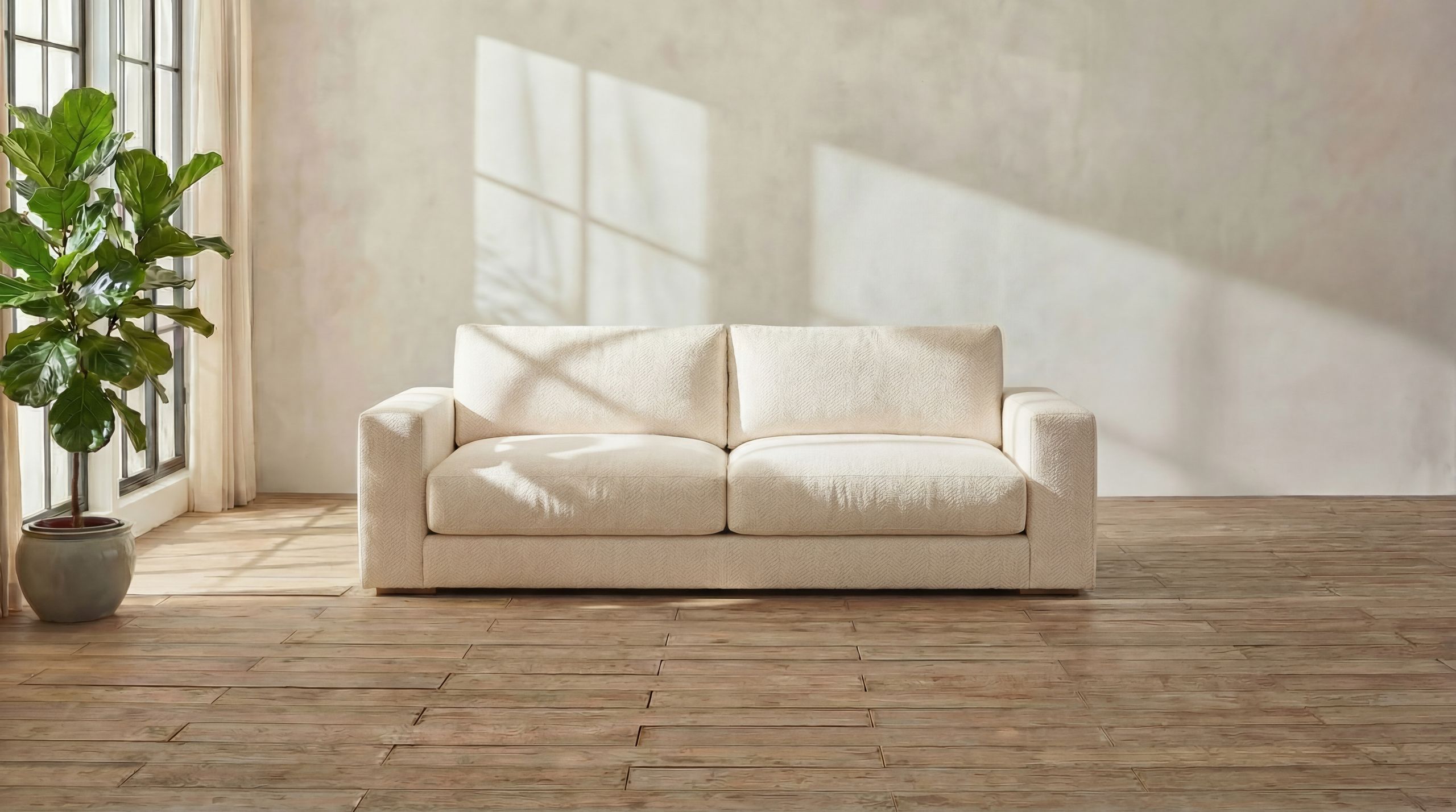

BEVERLY HILS, CA, UNITED STATES, September 18, 2026 /EINPresswire.com/ — DreamSofa has outlined how made-to-order furniture moves through a fundamentally different supply chain than mass-produced, stocked goods — a distinction the Los Angeles–based custom manufacturer says is often misunderstood by buyers accustomed to fast delivery from large retailers. With custom furniture, the company notes, nothing is pulled from a warehouse; each piece begins production only after an order is placed.
The contrast begins with how the two models are built. Mass-market furniture is generally produced to a forecast, manufactured in bulk — frequently overseas — and shipped in volume to warehouses, where it waits until it is sold from inventory. That approach makes same-week delivery possible, but it confines buyers to a fixed set of sizes and configurations, and it carries costs that are less visible to the customer: production has to be guessed ahead of demand, unsold stock is discounted, and overproduction contributes to furniture waste. A stocked sofa can be delivered quickly precisely because it was built before anyone ordered it.
Made-to-order production inverts that sequence. In DreamSofa’s model, no finished-goods inventory exists; an order triggers manufacturing, and the piece is cut and built to the buyer’s specification. The company sizes each piece to the inch through its FlexForm system and lets buyers set style, dimensions, fabric and finishing through its DreamCustom framework. The trade-off, DreamSofa says, is time: because the sofa does not yet exist when it is ordered, it arrives in weeks rather than days. The company cites a production window of roughly three to five weeks, compared with an industry norm it puts at about eight to 12 weeks for custom furniture.
“The question people ask is why custom takes time when a store can deliver tomorrow, and the answer is that the store is selling something already built,” a DreamSofa spokesperson said. “A made-to-order piece is manufactured for one specific order, to specific dimensions, after that order comes in. What the buyer is paying for with that time is a piece that fits their space and their specification rather than the nearest standard size.”
Where the furniture is built also shapes the timeline. DreamSofa manufactures in Los Angeles, and domestic production removes some of the variables that affect imported goods, including ocean freight schedules, port congestion and customs clearance. The company says building domestically shortens transit and gives it closer oversight of each piece, though it emphasizes that a custom item is still constructed from scratch, so the timeline is measured in weeks regardless of the shorter shipping distance.
Delivery itself differs from ordinary parcel shipping. Large custom pieces move by freight and are handled through white-glove delivery, in which the item is brought into the home and placed rather than left at the door. DreamSofa says this last stage is where much of the logistical complexity of furniture sits — a sofa is heavy, bulky and vulnerable to damage in transit — and that in-home delivery is designed to manage those risks for pieces that cannot simply be reshipped if something goes wrong.
The company is direct about the cases where made-to-order is the wrong choice. Buyers who need seating immediately, or who are furnishing to the lowest possible budget, are generally better served by in-stock inventory. Custom pieces also cannot be returned to stock and resold, so the model does not accommodate casual returns the way a warehouse-backed retailer can; it depends on getting the specification right before production begins, which in turn depends on accurate measurements and planning by the buyer. DreamSofa frames its approach as suited to customers for whom fit and longevity outweigh speed and sticker price, not as a replacement for the stocked model in every situation.
DreamSofa describes the underlying logic as demand-responsive manufacturing — building only what has been ordered — and positions it as structurally different from stocked retail rather than simply a slower version of it. The company argues the model reduces overproduction and the markdown-and-disposal cycle that accompanies building to forecast, while acknowledging that the benefit comes at the cost of immediacy.
“We are not building sofas and hoping they sell, and we are not building to fill a landfill when they don’t,” the spokesperson said. “Every piece leaving the workshop corresponds to a specific customer and a specific room. That is a deliberate model with real advantages, but it also means we cannot promise next-day delivery, and we are upfront that anyone who needs a sofa this week should buy one that is already made.”
The company says buyer awareness of how custom furniture is produced and delivered is growing, and that setting accurate expectations about lead time at the point of order is part of how it approaches the made-to-order model.
About DreamSofa — DreamSofa is a Los Angeles–based custom furniture manufacturer specializing in made-to-order modular sofas, sectionals and sleeper sofas built in the United States. Its customization framework, DreamCustom, lets buyers specify style, size, fabric and finishing details, with pieces manufactured to the inch through its FlexForm sizing system. The company’s tools and programs include DreamStudio, a 3D and augmented-reality room configurator; DreamModular, a tool-free reconfigurable seating system; DreamSleeper, a sleeper-sofa system engineered without a conventional support bar; and DesignXChange, a program for swapping covers and inserts. Products are offered with white-glove delivery, a 100-day trial and a lifetime frame warranty. More information is available at dreamsofa.com.
Maria Gonzalez
MGP
+1 305-204-8988
email us here
Legal Disclaimer:
EIN Presswire provides this news content “as is” without warranty of any kind. We do not accept any responsibility or liability
for the accuracy, content, images, videos, licenses, completeness, legality, or reliability of the information contained in this
article. If you have any complaints or copyright issues related to this article, kindly contact the author above.

Media gallery

