1 in 3 older adults feel lonely. Here’s how pickleball may be helping
LifeStance Health reports that pickleball, America's fastest-growing sport, helps combat loneliness in older adults by
Press Release Disclaimer: This is a press release distributed through the XPR Media network. It has not been independently verified by our newsroom.
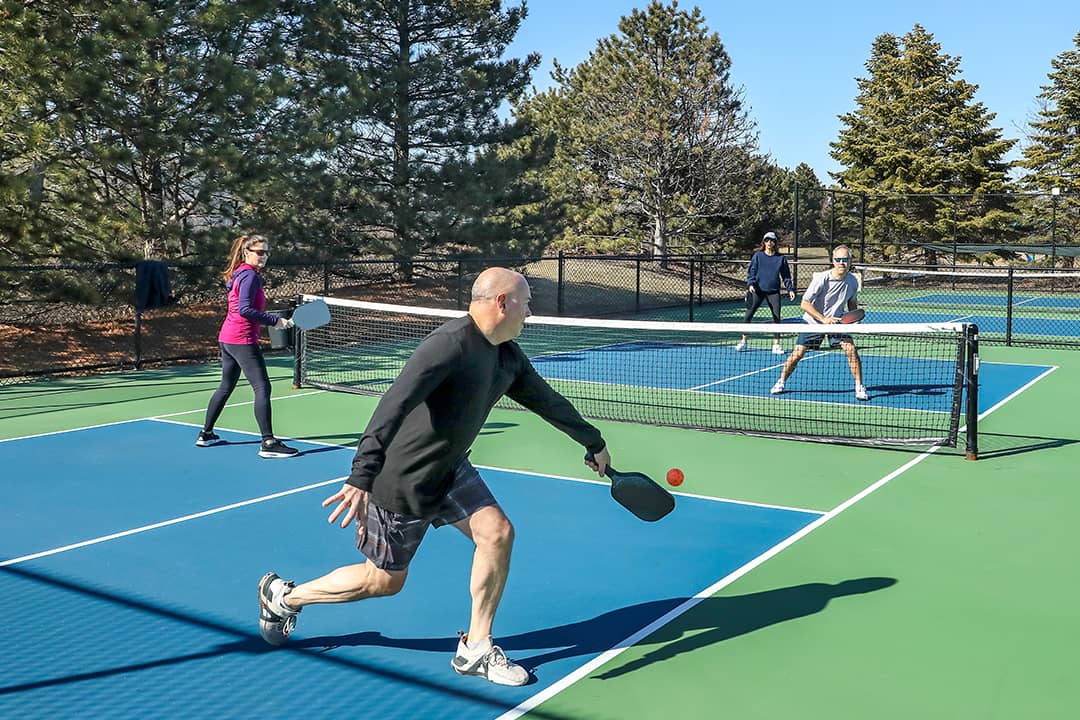

pics721 // Shutterstock
1 in 3 older adults feel lonely. Here’s how pickleball may be helping
Pickleball has become America’s fastest-growing sport, drawing millions of new players over the past few years, with a particularly devoted following among older adults. It’s also the subject of “The Dink,” the new Apple TV+ comedy about a sidelined tennis pro who trades his racquet for a paddle and finds himself taken in by a group of older players. Writer Sean Clements said the film grew out of his own experience getting “adopted by a whole crew of older women” at pickleball mixers.
That detail points to something bigger about the sport: Pickleball is as much about the people you meet on the court as the game itself. With about 1 in 3 adults ages 50 to 80 reporting loneliness, the connection it offers may be part of why it’s so good for well-being later in life.
LifeStance Health explains how a backyard game became a national obsession, and what the research says it may be doing for mental health.
How pickleball became America’s fastest-growing sport
Pickleball was invented in 1965 by two neighbors on Bainbridge Island, Washington, using random sports equipment to entertain their children. While the children eventually moved on, the adults kept playing. For decades, it remained an under-the-radar favorite, passed along by friends, neighbors and word of mouth.
When the pandemic hit, many people went looking for something they could do outdoors, and pickleball found its moment. According to the Sports & Fitness Industry Association (SFIA), participation grew from 4.2 million players in 2020 to more than 24 million in 2025, making it the fastest-growing sport in the country for five years running.
But perhaps pickleball stuck because of what came with it: a standing game, a rotating cast of partners and easy conversation between points. What looks like a game may actually be community.
5 ways pickleball supports well-being later in life
Most people take up pickleball for the exercise, but a growing body of research suggests its biggest payoff may be mental, and the benefits may be strongest later in life.
1. It helps fight loneliness.
In a 2025 national survey of 825 U.S. adults over the age of 50, published in the Journal of Primary Care & Community Health, those who had never played pickleball were about 1.5 times as likely as current players to report feeling lonely. Pickleball players, both current and former, also reported more social connections than those who never played. Part of it may be the court itself: At roughly 30% the size of a tennis court, it keeps players close enough to talk and laugh throughout a match.
2. The more you play, the better you tend to feel.
A 2025 study of 1,667 players in Frontiers in Psychology found a dose-response relationship between pickleball and mental well-being. Those who played three or more times a week, and for longer sessions, reported higher well-being scores. The effect was strongest among older adults, particularly those ages 63 to 77. A 2023 systematic review came to similar conclusions, associating pickleball with improvements in life satisfaction along with lower stress and symptoms of depression.
3. It keeps the mind engaged.
Pickleball asks a lot of the brain at once: tracking the ball, reading opponents and adjusting shots quickly. Researchers call this kind of dynamic and reactive play open skill exercise, and a growing body of evidence suggests it may benefit the brain more than closed skill activities like running or swimming. While this research spans racquet sports broadly rather than pickleball specifically, it points to why a fast, strategic game may do more for the mind than a repetitive one.
4. It can pull you into the moment.
A 2026 study in the Journal of Aging and Physical Activity found that adults 60 and older who played recreational doubles pickleball reported stronger flow states, or feelings of total concentration and losing track of time, than other activities. Pickleball may offer a welcome mental break from the day’s worries.
5. It offers routine and a sense of purpose.
Beyond the numbers, a 2025 qualitative study in the Journal of Positive Psychology and Wellbeing found that older pickleball players described the sport as a source of autonomy, purpose and belonging, with many prioritizing community and connection over competition. A standing game gives the week a rhythm and something to look forward to, weaving movement and connection into everyday life rather than leaving them to chance. That kind of built-in structure can matter most in retirement, when the routines and relationships of work tend to fall away.
Pickleball isn’t a cure-all or a replacement for mental healthcare, but perhaps the game itself was never really the point. What seems to keep people coming back is each other, and that connection is worth showing up for.
This story was published by LifeStance Health and reviewed and distributed by Stacker.